Creating a calm and inviting atmosphere in your home often starts with the colors you choose for your walls and decor. Calm colors can help reduce stress, promote relaxation, and make your space feel more welcoming. But with so many color options and shades, choosing the right calm colors might feel overwhelming. This guide offers practical tips to help you select soothing colors that fit your personal style and enhance your home’s tranquility.
Understanding Calm Colors
Calm colors are generally soft and muted tones that don’t overwhelm the senses. They tend to be cool or neutral colors that inspire calmness and serenity. Common examples include:
– Soft blues
– Light greens
– Pale grays
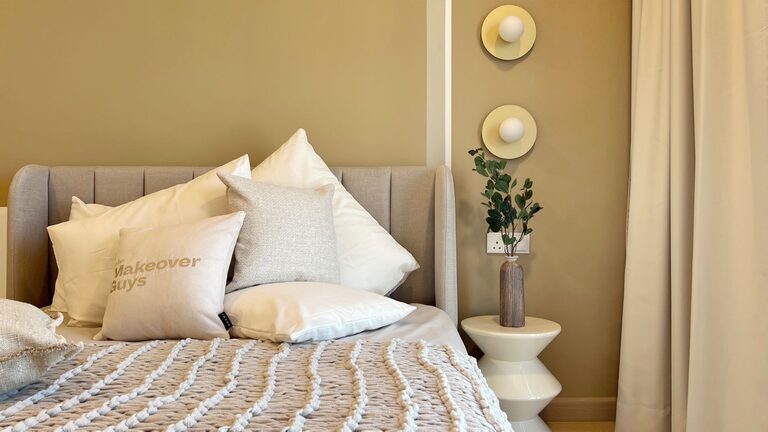
– Warm beiges
– Gentle lavenders
These colors are often found in nature, like the sky, ocean, or greenery, which is why they can have an instant calming effect.
Why Choose Calm Colors?
A calm color palette can positively influence your mood and the overall feel of your home. Here’s why:
– Stress reduction: Soothing colors create a peaceful environment that can help lower anxiety.
– Improved focus: Calm hues can make it easier to concentrate, ideal for home offices or study areas.
– Better sleep: Bedrooms painted in restful colors may promote deeper, more restful sleep.
– Timeless appeal: Soft, neutral tones tend to stay in style longer than bold, trendy colors.
Tips for Choosing Calm Colors
1. Consider the Room’s Purpose
Different rooms serve different needs, so the best calm color for one room might not be right for another.
– Bedrooms: Soft blues, lavender, or gentle grays promote relaxation and sleep.
– Living rooms: Warm beiges, muted greens, or soft taupes create inviting spaces for conversation and rest.
– Bathrooms: Light blues and seafoam greens evoke cleanliness and refreshment.
– Home offices: Light grays or pale greens encourage focus without distraction.
2. Test Color Swatches in Your Space
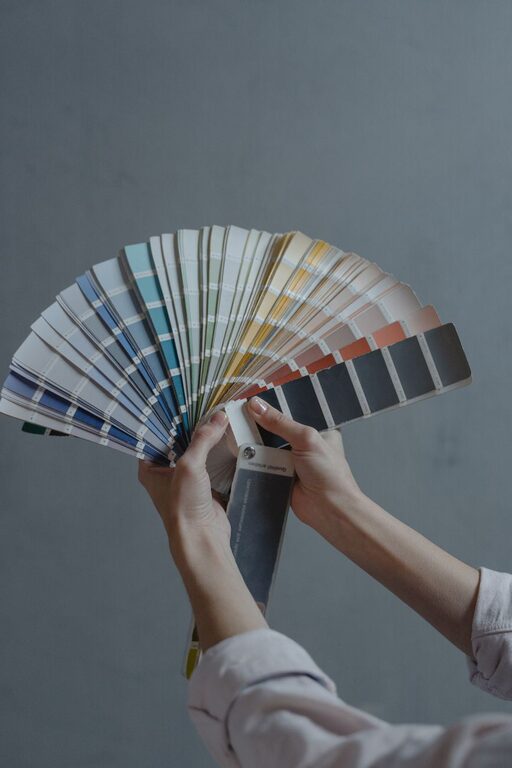
Colors may look different depending on lighting and surrounding decor. Always test paint samples on your walls before committing. Try observing the colors:
– During the day with natural light
– In the evening with artificial light
– At different times of day, if possible
This helps you understand how the color shifts and feels in your home.
3. Use Color Psychology as a Guide
Understanding the subtle emotional effects of colors can help you pick the right calm shade.
– Blue: Known to reduce heart rate and create a sense of calm.
– Green: Associated with nature and renewal, it’s restful to the eyes.
– Gray: A neutral color that promotes balance and sophistication.
– Lavender: Combines the calm of blue with the warmth of red for a gentle soothing effect.
– Beige and warm neutrals: Offer a cozy, grounded atmosphere.
4. Balance Calm Colors with Accents
While calm colors dominate the space, small pops of richer colors or textures can add interest without overwhelming the room. Consider:
– Soft cushions in pastel shades
– Natural wood furniture
– Light metallic accents like brushed gold or silver
These elements create depth while maintaining a peaceful feel.
5. Choose Matte or Satin Finishes
The finish of your paint affects how colors present themselves. Matte and satin finishes tend to soften light reflection, which helps keep colors gentle and subtle. Avoid high-gloss finishes, which can be too bright and distracting in calm spaces.
6. Consider the Entire Home’s Color Flow
To create a harmonious atmosphere throughout your home, consider how calm colors transition between rooms. You might choose a palette of complementary shades or slight variations of one color to maintain consistency.
7. Don’t Forget About Natural Elements
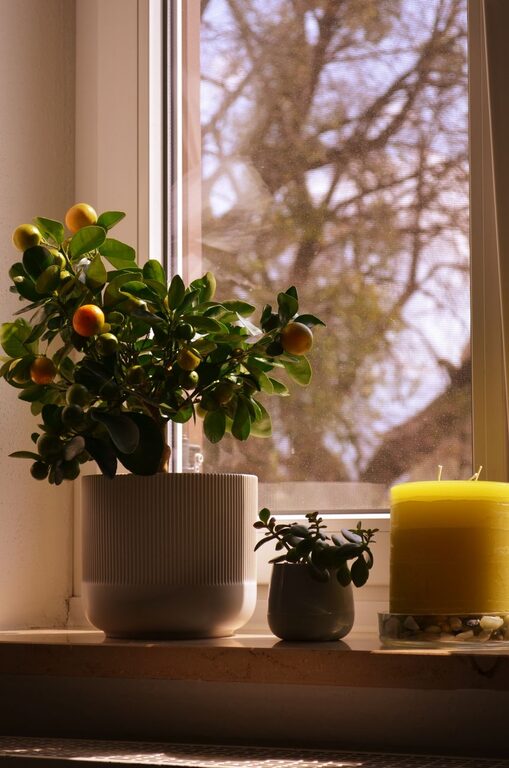
Incorporate natural materials like wood, stone, or plants alongside your calm colors to enhance relaxation and connect your interior to nature.
Additional Ideas for Enhancing Calmness
– Lighting: Use soft, warm lighting to complement calm colors.
– Minimal clutter: Keep spaces tidy to avoid visual chaos.
– Textures: Incorporate soft fabrics and natural textures to add comfort.
Final Thoughts
Selecting calm colors for your home is a wonderful way to create an inviting, peaceful environment. By considering the room’s function, testing colors in your space, and thoughtfully pairing colors and finishes, you can build a soothing home atmosphere that suits your lifestyle. Remember, calm colors aren’t just about aesthetics—they’re a foundation for relaxing and enjoying your personal space. Take your time choosing, and enjoy the process of making your home a serene retreat.
About the Author