Planning meals from pantry staples is a practical way to save money, reduce food waste, and enjoy homemade dishes without last-minute grocery trips. With a well-stocked pantry and a bit of creativity, you can turn basic ingredients into tasty and satisfying meals any day of the week. This guide will help you understand how to assess your pantry, plan meals efficiently, and make the most of what you have on hand.
Why Plan Meals from Pantry Staples?
Planning meals based on pantry ingredients helps you:
– Save time and stress by knowing what to cook in advance.
– Reduce food waste by using items before they expire.
– Keep grocery bills low by relying on items you already own.
– Adapt meals easily based on what’s available.
By looking at your pantry as the starting point for meal prep, you’ll gain confidence and flexibility in the kitchen.
Step 1: Assess Your Pantry Inventory
Start by taking stock of your pantry items. Organize your shelves or take a quick inventory list. Look for:
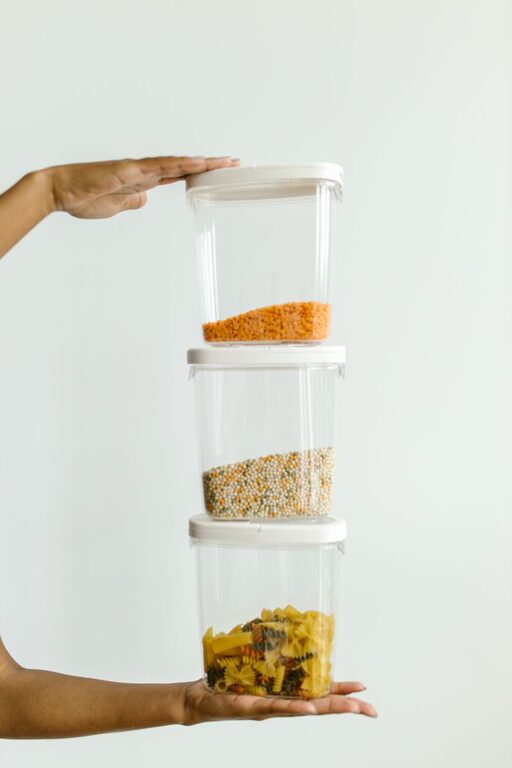
– Dry goods such as rice, pasta, beans, lentils, oats, and flour.
– Canned goods like tomatoes, beans, vegetables, tuna, and broth.
– Spices and herbs including salt, pepper, garlic powder, chili flakes, and dried herbs.
– Oils and vinegars such as olive oil, vegetable oil, and balsamic vinegar.
– Other staples like nut butters, sauces, baking ingredients, and condiments.
Writing down what you have helps you see potential meal combinations and avoid buying duplicates.
Step 2: Plan Meals Around Key Ingredients
Identify your main pantry staples and build meals around them. Many pantry staples are versatile and can form the base of numerous dishes.
Examples of Staples and Meal Ideas:
– Rice: stir-fries, rice bowls, soups, casseroles.
– Pasta: pasta salads, baked pasta, simple tomato sauce dishes.
– Canned beans: chili, bean salads, wraps, or stews.
– Canned tomatoes: pasta sauces, soups, shakshuka, curries.
– Lentils: lentil soup, veggie patties, stews, dal.
Try combining staple grains with canned vegetables or beans, then add seasonings and any fresh ingredients you have.
Step 3: Match Staples with Fresh or Frozen Items
If you have some fresh or frozen produce, combine it with your pantry items to add flavor and nutrition:
– Fresh garlic, onions, or herbs can elevate simple dishes.
– Frozen vegetables like spinach, peas, or mixed veggies complement rice and pasta dishes.
– Fresh fruit can be used in salads or desserts.
Plan your meals by matching pantry basics with these perishable items to create balanced meals with minimal waste.
Step 4: Create a Weekly Meal Plan
Using your inventory and ideas, draft a weekly meal plan. Here’s a simple approach:
- Choose 3–4 main dishes based on pantry staples.
- Plan to cook meals that share ingredients, reducing waste.
- Incorporate leftovers for extra meals or lunches.
- Leave room for flexibility by allowing one or two “free” meals.
Write your plan down or use a printable meal planner to stay organized.
Step 5: Use Recipes or Build Your Own
If you like following recipes, look for ones that feature pantry staples. Many websites and cookbooks focus on simple meals with common ingredients.
If you prefer a freestyle approach, think of meals as a combination of:
– A grain or pasta
– A protein (beans, canned fish, lentils)
– Vegetables (fresh, canned, or frozen)
– A sauce or seasoning (tomato sauce, soy sauce, spice blend)
For example, you could make a quick pasta dish with canned tomatoes, garlic, olive oil, and dried herbs.
Step 6: Stock Essential Pantry Staples
To keep meal planning easy, maintain a basic stock of pantry staples such as:
– Various types of rice and pasta
– Canned beans and lentils
– Canned tomatoes and broth
– Cooking oils and vinegar
– Basic spices and dried herbs
– Flour and baking powder for homemade bread or pancakes
– Nut butters and canned tuna or salmon
Having these basics on hand means you can quickly throw together meals without extra shopping.
Tips for Success
– Label pantry items with purchase or expiration dates.
– Organize your pantry regularly for easy access.
– Keep a notepad to jot down meal ideas or missing items.
– Batch cook grains or beans to save time during the week.
– Experiment with spices to keep flavors interesting.
– Use apps or websites that help you find recipes based on pantry ingredients.
Sample Pantry-Based Meal Plan
| Day | Meal |
|———|———————————-|
| Monday | Lentil soup with canned tomatoes and spices |
| Tuesday | Rice and black bean bowl with salsa and avocado |
| Wednesday | Pasta with olive oil, garlic, and canned tuna |
| Thursday | Chickpea curry with coconut milk and rice |
| Friday | Vegetable stir-fry with soy sauce and rice noodles |
| Saturday | Tomato and bean chili with cornbread |
| Sunday | Homemade pancakes with nut butter and fruit |
Conclusion
Meal planning from pantry staples is a smart way to simplify cooking, save money, and reduce waste. By knowing what you have, planning meals ahead, and combining staples with fresh ingredients, you can create enjoyable and nutritious meals without stress. With time and practice, using your pantry will become second nature, making your kitchen a place of creativity and comfort.
About the Author