Reducing food waste at home is a smart way to save money, conserve resources, and help the environment. Each year, a significant portion of food produced globally ends up in the trash, contributing to waste and pollution. Fortunately, by adopting some simple habits, you can make a meaningful difference without much extra effort. In this post, we’ll explore practical and easy ways to reduce food waste in your household.
Understand Why Food Waste Happens
Before tackling food waste, it’s helpful to know common reasons why food is wasted at home:
– Overbuying or impulse purchases
– Improper storage leading to spoilage
– Cooking too much or leaving leftovers unused
– Confusion over expiration dates
– Lack of meal planning
By addressing these root causes, you can reduce waste effectively.
Plan Your Meals Ahead
One of the best ways to reduce food waste is to plan your meals before shopping. Here’s how:
– Make a weekly meal plan: Decide what you will cook each day, considering recipes and ingredients you already have.
– Check your pantry and fridge: Use what’s on hand first to avoid buying duplicates.
– Create a shopping list: Only buy what you need based on your plan.
– Buy realistic quantities: Avoid bulk buying items that will spoil before use.
Meal planning helps avoid impulse buys and ensures you use perishables timely.
Shop Smart and Mindfully
When shopping:
– Stick to your list: Avoid adding extra items not needed for your meals.
– Buy loose produce: This way, you can choose the exact quantity you need.
– Check freshness: Select items with longer shelf life when possible.
– Be realistic about perishables: Don’t purchase more fresh veggies, fruits, or dairy than you can consume in time.
Smart shopping reduces the risk of food going to waste.
Store Food Properly
Proper storage extends the life of your food and prevents spoilage:
– Use airtight containers: Keep leftovers and opened packages fresh.
– Separate fruits and vegetables: Some fruits produce gases that cause nearby veggies to ripen quickly.
– Keep fridge organized: Place older items at the front so you use them first.
– Learn ideal storage conditions: For example, some fruits do better at room temperature, while others require refrigeration.
Good storage can make a big difference in how long your food stays fresh.
Use Leftovers Creatively
Leftovers are a great opportunity to reduce waste and save money:
– Repurpose meals: Turn last night’s roasted chicken into sandwiches or salads.
– Freeze extras: Many dishes freeze well and can be eaten later.
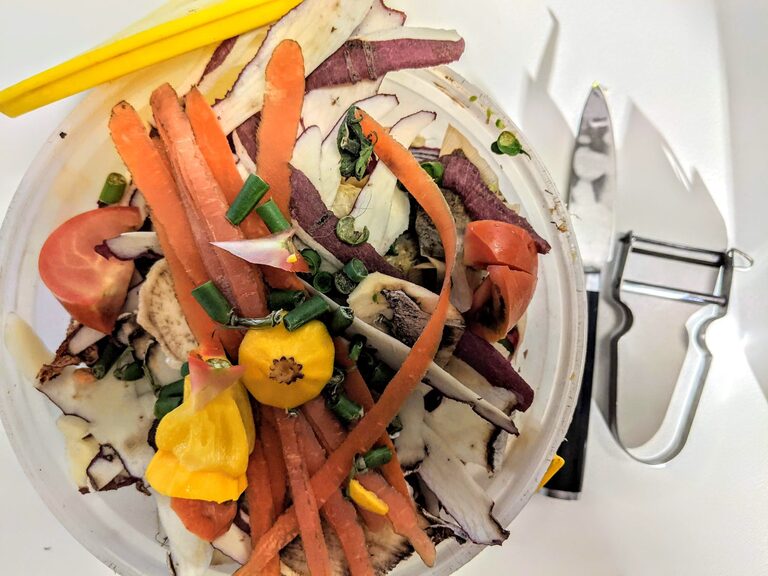
– Cook “root to stem”: Use vegetable peels and stalks in stocks or soups.
– Incorporate leftovers into new recipes: For instance, overripe fruits can be blended into smoothies or baked goods.
Getting creative with leftovers means less thrown away.
Monitor Expiration Dates Wisely
Food labels can sometimes cause confusion:
– Understand date labels: “Best before” means quality may decline after that date but the food is still safe; “use by” means it should be consumed by that date.
– Use your senses: Look, smell, and taste can help determine if food is still good.
– Rotate stock: Use older items before newer ones.
Being informed helps avoid unnecessary disposal of edible food.
Compost Food Scraps
Not all food scraps can be eaten or reused, but they don’t have to end up in landfill:
– Start composting: Use a backyard compost bin or an indoor compost container.
– Compost fruit and vegetable peels, coffee grounds, eggshells, and more.
– Use compost in your garden or houseplants: It enriches soil and reduces waste.
Composting is an eco-friendly way to handle unavoidable food scraps.
Encourage Family Involvement
Reducing food waste becomes easier when everyone participates:
– Educate family members: Share why it’s important and how to reduce waste.
– Assign tasks: Let kids help with meal planning, shopping, or composting.
– Make it fun: Create challenges like using leftovers creatively.
Collective effort ensures food waste prevention becomes a habit for everyone.
Additional Tips to Reduce Food Waste
– Freeze bread and dairy if you won’t use them soon.
– Use smaller plates to avoid taking more food than you can eat.
– Drink homemade broths and smoothies to use up vegetables.
– Donate non-perishable food you won’t consume.
Every small action counts toward less waste.
—
By incorporating these tips into your daily routine, you’ll not only reduce food waste but also enjoy fresher meals and save money. Making mindful choices around food is a positive step for your household and the planet. Start today and see the difference!
About the Author