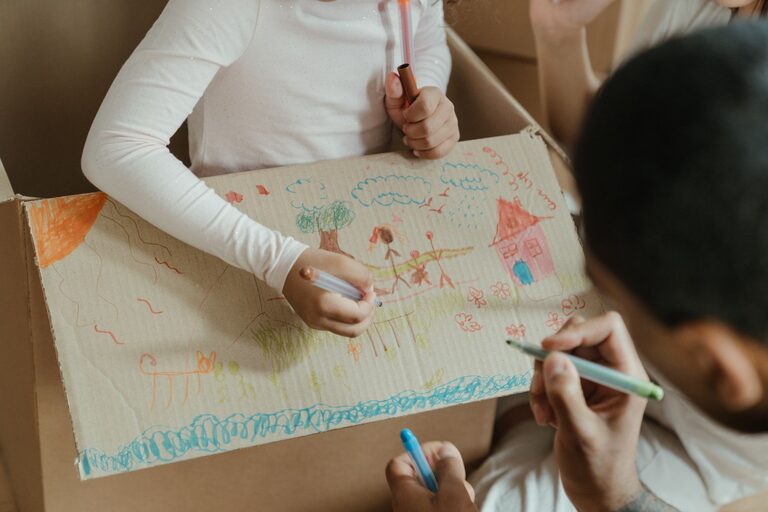
Children’s artwork is a wonderful expression of their creativity and imagination. From colorful drawings to handmade crafts, these creations often hold sentimental value for parents. However, over time, the volume of art projects can quickly add up and become overwhelming to manage. Keeping kids’ art organized not only helps preserve these precious memories but also keeps your home clutter-free and stress-free.
In this post, we’ll explore practical tips and creative solutions to help you organize your children’s artwork in a way that works for your family.
Why Organizing Kids’ Art Matters
Before diving into tips, it’s important to understand why organizing kids’ art is beneficial:
– Preserves memories: Artwork captures moments in time and your child’s development.
– Reduces clutter: Keeping art organized prevents piles of paper from taking over.
– Encourages creativity: Displaying and celebrating art motivates kids to keep creating.
– Teaches organization: Involving children in organizing helps develop responsibility.
Tips for Organizing Kids' Artwork
1. Set Up an Art Station or Designated Area
Having a specific space for art supplies and completed projects encourages tidiness. This could be a corner in their room, a shelf, or a craft table. Use labeled bins, trays, or boxes to keep supplies accessible and neat. Designating a spot for finished artwork helps avoid loose papers scattered throughout the house.
2. Use Digital Storage Solutions
Over time, it’s easy to accumulate hundreds of drawings and paintings. To save space, consider digitizing the artwork:
– Take photos: Photograph or scan each piece of art.
– Create digital albums: Use a cloud service or a photo app to organize by date or theme.
– Make slideshows or photo books: This is a creative way to revisit memories without physical clutter.
Digital storage allows you to keep every masterpiece without worry about space limitations.
3. Display Art Creatively
Showcasing your child’s art can build their confidence and create a lively home environment.
– Use frames or clipboards: Rotate artwork to keep displays fresh.
– Create a gallery wall: Dedicate one wall for hanging art.
– Use wire and clips: String wire across a room or wall and hang art with clips for easy changes.
– Make art books: Bind or use scrapbook albums to preserve favorites.
Changing displays regularly keeps your child’s creativity visible and appreciated.
4. Sort and Curate Regularly
It’s normal to want to keep every piece, but curating helps maintain an organized collection.
– Set limits: Decide on a fixed amount of artwork to keep (for example, one box per year).
– Involve your child: Allow them to choose their favorite pieces.
– Discard or recycle: Responsibly dispose of artwork you no longer keep.
– Label and date: Write the child’s name, date, and any notes on the back for easy reference.
Regular sorting prevents overwhelming piles from building up.
5. Use Storage Solutions That Fit Your Space
Depending on your home and how much art you keep, different storage options may work best:
– Portfolio folders: Large flat folders can hold multiple drawings.
– Storage bins or boxes: Label by year or child.
– Filing cabinets: Use hanging file folders for easy access.
– Art tubes: For rolled-up paintings or larger pieces.
Choose containers that fit your available space and are easy to access.
6. Repurpose Artwork
Some projects can be turned into useful items or gifts:
– Custom wrapping paper: Use drawings as unique gift wrap.
– Greeting cards: Cut and fold artwork into cards for family and friends.
– Magnets or bookmarks: Laminate smaller art pieces to create practical keepsakes.
– Collages: Combine several pieces into a new artwork.
Repurposing helps give art a second life and shares your child’s creativity with others.
7. Create a Routine
Building an art organization routine makes the process easier to maintain:
– Set weekly or monthly check-ins: Sort new artwork regularly.
– Make clean-up part of the art activity: Teach kids to put supplies away after use.
– Rotate displays: Change the artwork shown to keep it current.
Consistency helps prevent buildup and keeps art well-organized over time.
Encouraging Kids’ Involvement
Getting your child involved in organizing their artwork teaches responsibility and decision-making. Here are some ways to include them:
– Let them choose which pieces to display or save.
– Have them help take photos of artwork for digital storage.
– Encourage them to decorate storage folders or boxes.
– Use organization time as a chance to talk about what they enjoyed creating.
This involvement makes organization meaningful and enjoyable rather than a chore.
Final Thoughts
Organizing your kids’ artwork doesn’t have to be overwhelming or complicated. With a few simple strategies—such as creating designated spaces, digitizing art, displaying favorites, and sorting regularly—you can keep your child’s creative work in order and preserve memories for years to come. Plus, involving kids in the process can make it a fun family activity that fosters pride in their creativity.
Remember, the goal is to celebrate your child’s artistic journey while keeping your home organized and clutter-free. Try different tips to see what works best for your family, and enjoy the colorful and meaningful results!
—
If you have other tips or creative ideas for organizing kids’ artwork, feel free to share them in the comments below!
About the Author